Summary Report - 3rd Coastal Water Convention 2026
Date:
Venue:
Summary Report on the 3rd Coastal Water Convention 2026
24–26 January 2026 | Khulna, Bangladesh
Background of the Convention
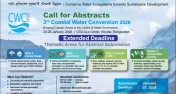
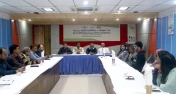
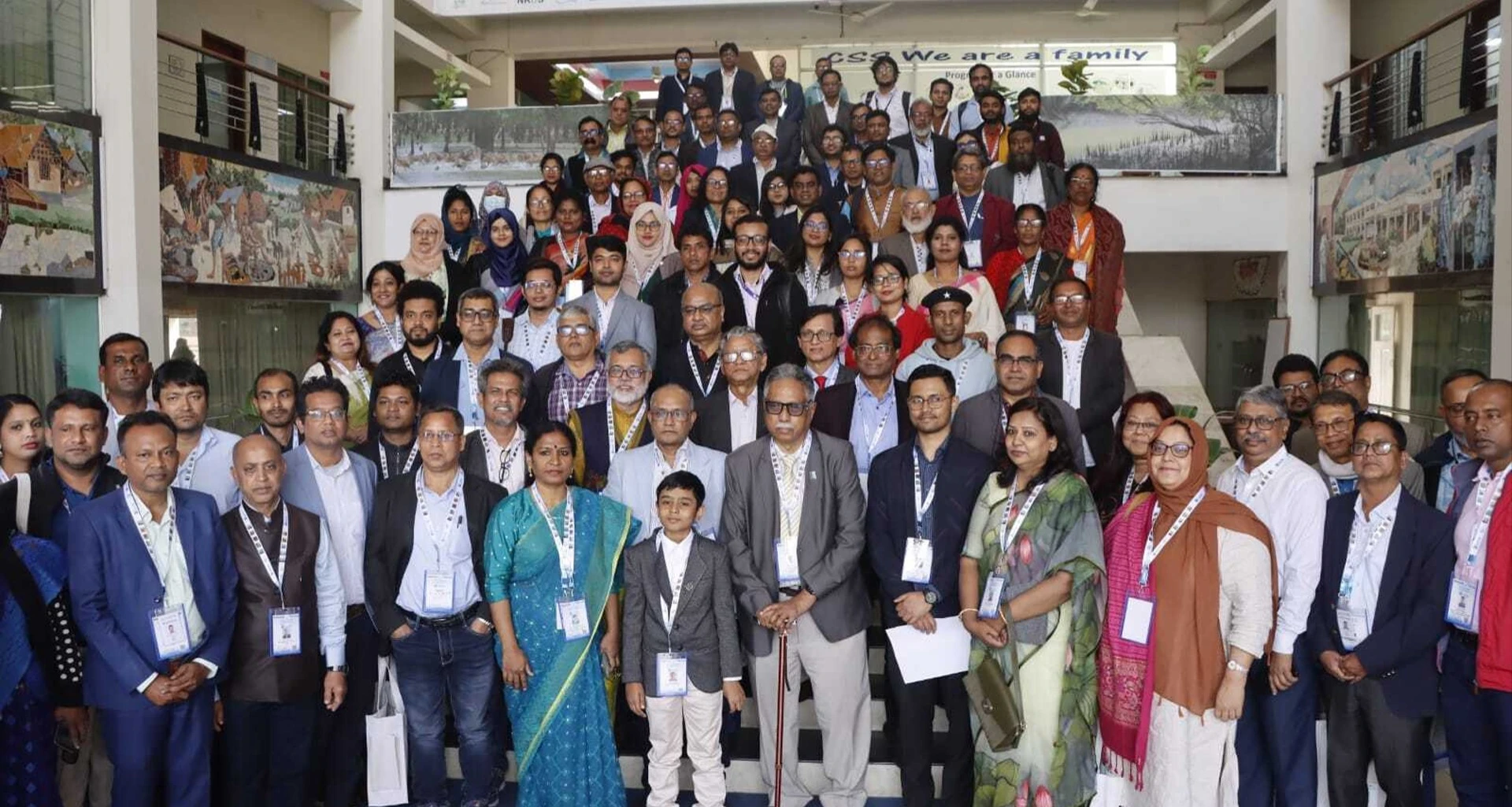
The 3rd Coastal Water Convention 2026 was held from 24 to 26 January 2026 at the CSS Ava Centre in Khulna, bringing together a wide range of stakeholders working on coastal water, climate resilience, governance, and ecosystem protection in Bangladesh. The convention served as a national multi-stakeholder advocacy and knowledge-sharing platform, engaging civil society organizations, academic institutions, grassroots representatives, policy advocates, media professionals, and development practitioners.
Building on the outcomes of previous conventions, the 2026 gathering aimed to deepen evidence-based dialogue on coastal water insecurity, amplify community voices, and advance a collective policy agenda through the formulation of the Khulna Declaration, a twelve-point advocacy framework focused on water justice, climate resilience, ecosystem protection, and inclusive governance in coastal regions.
.png)
Day 01: Opening Day and Khulna Declaration Workshop
24 January 2026
The opening day focused on welcoming partner organizations and grassroots participants, setting the tone for inclusive engagement and collaborative learning. Participants represented diverse geographic regions of coastal Bangladesh, ensuring that local experiences and priorities informed national-level discussions.
A central activity of Day 01 was a workshop on the zero draft of the Khulna Declaration. The draft declaration, structured around twelve thematic points, was presented to participants for critical review and feedback. Discussions highlighted the need to sharpen commitments related to safe drinking water access, salinity management, ecosystem protection, transboundary water governance, gender equity, and climate-resilient public services.
.png)
Participants emphasized that the declaration should reflect lived realities of coastal communities rather than remain a purely aspirational policy document. To enable more thorough and inclusive input, the workshop concluded with a decision to circulate the draft declaration within a dedicated working group through a shared online document. Members were encouraged to provide detailed written comments, evidence, and proposed language revisions. These inputs were scheduled to be consolidated and reviewed during the next day’s workshop, with the goal of finalizing the declaration through consensus.
Day 02: Side Events, Parallel Sessions, and Opening Plenary
25 January 2026
Side Events and Parallel Sessions
On the second day, the convention hosted nine side events and parallel sessions, organized under four broad thematic areas:
- Water and Climate Change
- Water Governance
- Water Ecosystems and SDGs
- Adaptive and Transformative Learning
Across these sessions, a wide range of research findings, field experiences, and policy analyses were presented and discussed. Key themes included coastal water scarcity and salinity, disaster risk reduction and climate adaptation, urban and rural water governance challenges, ecosystem degradation, and gendered dimensions of water insecurity.
Several sessions focused on technological and infrastructural responses to water scarcity, such as desalination, rainwater harvesting, solar-powered irrigation, and piped water networks. Discussions highlighted both the potential and limitations of these solutions, emphasizing the importance of context-specific design, long-term maintenance, and community ownership.
.png)
.png)
.png)
Environmental and ecosystem-focused presentations examined cyclone-induced changes in water quality, coastal pollution, degradation of freshwater bodies, and the impacts of urban expansion on coastal ecosystems. These discussions reinforced the urgency of integrated river basin management, nature-based solutions, and pollution control to safeguard ecological integrity and sustain livelihoods.
A significant number of sessions addressed gender, health, and social dimensions of water insecurity. Presentations explored women’s lived experiences of collecting drinking water, reproductive health stress, psychological burdens, and leadership roles in WASH governance. These discussions underscored that water insecurity is not gender-neutral and that transformative change requires recognizing women as rights-holders and decision-makers.
Governance-oriented sessions examined policy gaps, budget tracking, and institutional coordination related to Sustainable Development Goal 6. Participants highlighted mismatches between national commitments and local implementation, weak accountability mechanisms, and the need for transparent financing and inclusive planning processes.
Overall, the Day 02 side events demonstrated the complexity of coastal water challenges and the necessity of integrated, cross-sectoral approaches that combine science, policy, and community knowledge.
Opening Plenary
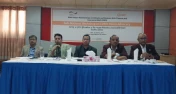
The opening plenary was held at around 12:30 pm and formally inaugurated the convention. The session was attended by senior academics, development leaders, civil society representatives, and virtual participants from abroad.
The convention was formally opened by Professor Dr. Ainun Nishat, Adviser to the Centre for Climate Change and Environment Research and a nationally respected water expert. In his keynote address, he warned that Bangladesh’s coastal region faces escalating risks from climate change, sea-level rise, and salinity intrusion, yet continues to receive insufficient state-level attention. He noted that although a global agreement on water and climate was reached in 2023, effective national action has remained limited.
.png)
Drawing on recent climate events, he cautioned that Bangladesh narrowly avoided severe impacts in the previous year due to cyclone trajectories. He warned that a major storm surge could inundate vast inland areas and that within the next five decades, water in the south-western region could become as saline as seawater if current trends continue.
Other speakers reinforced these concerns from complementary perspectives. Emphasis was placed on the importance of rivers as dynamic systems carrying sediment and nutrients, not merely channels of water. Speakers warned that neglect of river management, embankment maintenance, and community participation could lead to increased salinity, ecosystem collapse, and significant reductions in fisheries and agricultural productivity.
The plenary also highlighted the need for regional cooperation on transboundary water governance, stronger legal and policy frameworks, and genuine inclusion of affected communities in planning and decision-making.
Day 03: Thematic Sessions and Closing Plenary
26 January 2026
Side Events and Parallel Sessions
The third day featured five side events and parallel sessions, continuing under the same four thematic pillars. Discussions built on earlier sessions and placed stronger emphasis on solutions, governance reforms, and learning mechanisms.
Key discussions examined climate change as a multiplier of household water insecurity, the governance implications of transboundary water withdrawal, and legal challenges related to climate-induced displacement. Urban-focused sessions explored waterlogging, nature-based solutions, and integration of climate migrants into city systems.
.png)
Several presentations emphasized climate finance, private-sector engagement, and innovative financing models for climate-resilient water services, including solar water networks and accountable climate finance governance.
Adaptive and transformative learning emerged as a cross-cutting theme. Sessions highlighted locally led learning processes, climate and water literacy in education, blue entrepreneurship, and iterative knowledge-sharing models that enable communities to adapt while shaping long-term transformation.
.png)
Closing Session and Adoption of the Khulna Declaration
The closing session marked a pivotal moment of the convention. The draft 12-point Khulna Declaration was formally presented by Mr. Shamim Arfeen, Member Secretary of the Convention Committee and Executive Director of AOSED. The declaration captured collective priorities emerging from three days of dialogue, centering on water justice, climate resilience, ecosystem protection, and inclusive governance.
.png)
The closing plenary, moderated by Professor Dr. Kazi Maruful Islam, featured summaries of thematic discussions that synthesized research evidence, community experiences, policy gaps, and actionable solutions. Supplementary opinions from civil society leaders, academics, and development practitioners stressed the importance of translating the declaration into concrete commitments, coordinated advocacy, and sustained collaboration.
.png)
Solidarity remarks and the vote of thanks acknowledged the contributions of partner organizations, speakers, volunteers, and participants. The final message emphasized sustaining momentum beyond the convention and using this platform to inform national advocacy and future conventions, including the roadmap toward the Bangladesh Water Convention 2028.
Conclusion
The 3rd Coastal Water Convention 2026 reaffirmed the urgency of addressing coastal water challenges through integrated, inclusive, and justice-oriented approaches. By combining scientific evidence, policy analysis, and community perspectives, the convention strengthened collective understanding and produced a shared advocacy framework through the Khulna Declaration. The outcomes underscore the need for coordinated action, accountable governance, and continued multi-stakeholder engagement to secure a resilient and equitable water future for Bangladesh’s coastal communities.